EMOTION & REFLECTION
Support professional care and development within a governed digital ecosystem.
Mind Journey helps organizations create a structured environment for professional psychological and developmental services—while keeping access to sensitive individual information purposeful, permission-based, and appropriately separated from administrative authority.
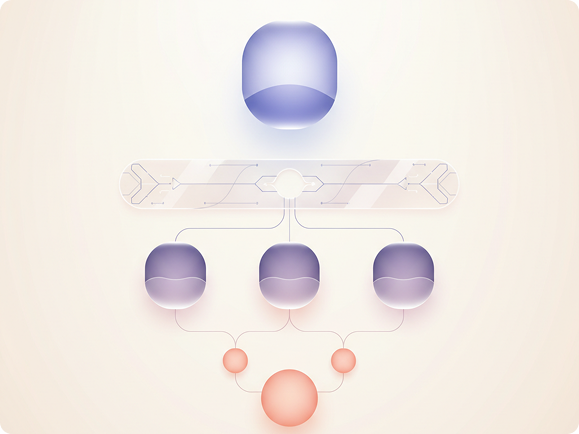
A GOVERNED PROFESSIONAL ECOSYSTEM
Enable professional services while preserving appropriate information boundaries.
Organizational value should come from creating the right environment for professional services—not from turning sensitive psychological information into unrestricted administrative data.

Coordinate
Bring people, professional relationships, programs, and access into a clearer organizational structure.

Govern
Keep roles, permissions, and information boundaries central to how the environment operates.

Enable
Support authorized professional work without treating organizational authority as psychological-data authority.

Follow
Create continuity around psychological and developmental journeys where the appropriate professional context allows it.

Understand
Approach organizational insight in ways that respect individual information boundaries.
PROFESSIONAL WORKFLOWS
Put professional work at the center of the organizational experience.
An organizational environment should make professional psychological and developmental work more structured without weakening professional judgment, confidentiality, or appropriate access boundaries.
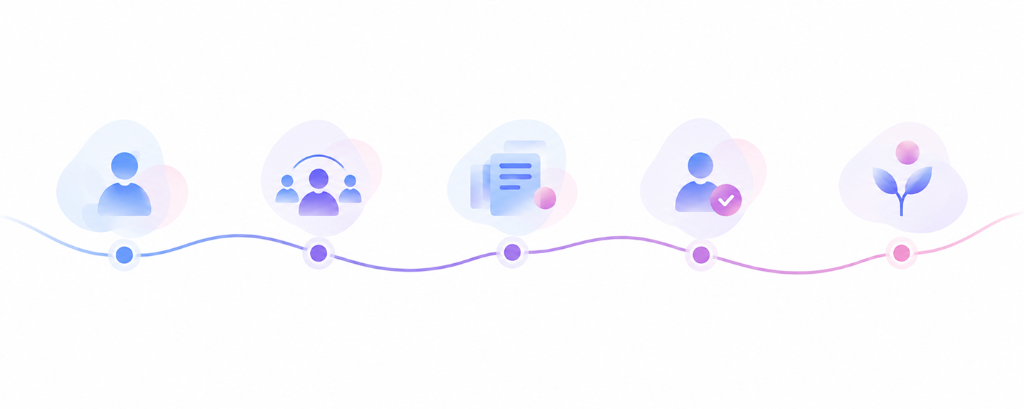
Begin with the person and purpose
Establish who the service is for and the professional context in which it takes place.
Establish the professional relationship
Access should follow an appropriate professional relationship rather than organizational membership alone.
Bring relevant information into context
Relevant psychological and developmental information should remain connected to its purpose, permissions, and professional context.
Support professional review
Technology can support understanding, while professional interpretation and judgment remain human-led.
Continue the journey
Follow-up and progress should preserve context over time rather than reduce a person to a single snapshot.
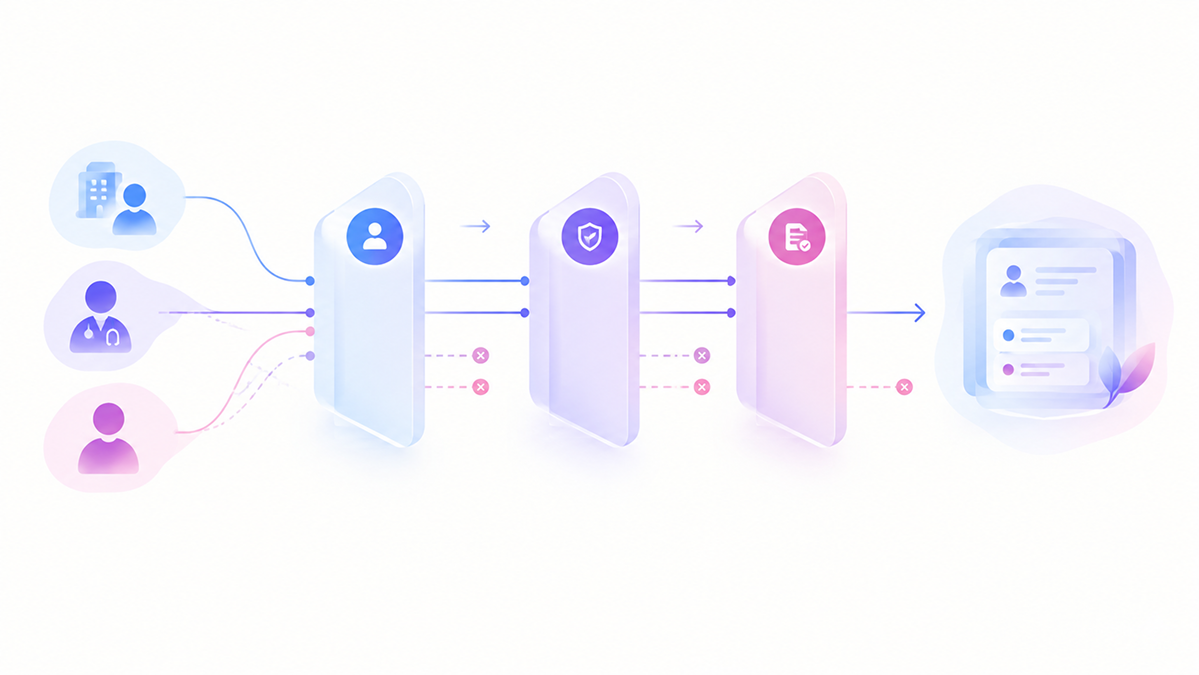
ROLES & CONTROLLED ACCESS
Not everyone in an organization should see the same information.
Sensitive psychological information requires more than a login. Access should reflect who someone is, what they are authorized to do, why the information is needed, and where consent is relevant.
Administration is not psychological access.
The ability to administer an organizational environment should not automatically provide access to an individual's assessments, reflections, psychological insights, professional notes, or reports.
Professional access should remain purposeful.
Professional access should relate to an appropriate professional context, authorization, and the information needed for that role.
Personal information retains its boundaries.
Participation in an organizational environment should not erase the distinction between personal psychological information and organizational administration.
ADMINISTRATION & INFORMATION BOUNDARIES
Administer the environment without assuming ownership of the person's psychological record.
Organizational administration and psychological information serve different purposes. They should remain visibly and technically distinct wherever sensitive individual information is involved.
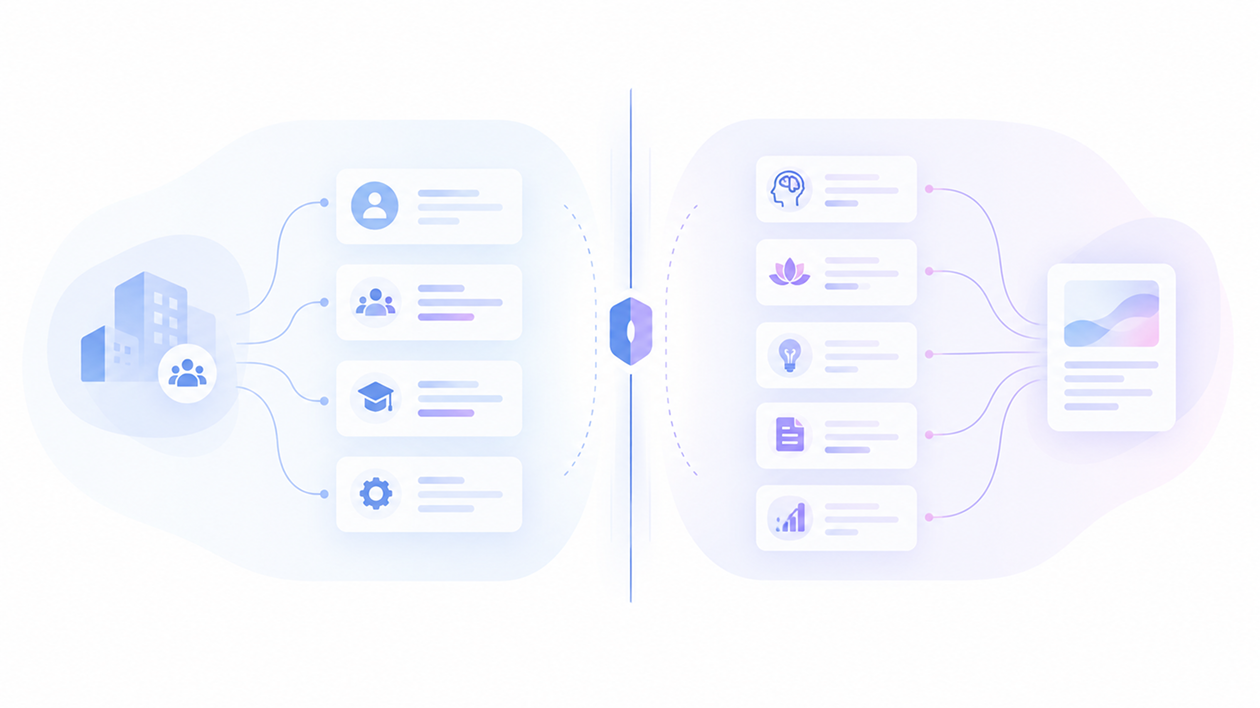
Manage the environment.
Administrative authority relates to the operation and governance of the organizational environment. Its scope should be defined by the organization's role model and permissions.
Protect the professional context.
Assessments, reflections, psychological insights, professional notes, and reports require their own access boundaries and should not become visible simply because someone holds an administrative role.
PRIVACY & CONSENT
Sensitive information should only travel where it is meant to go.
Psychological information deserves clear boundaries around why it is accessed, who can access it, and when permission or consent is relevant.
Administration is not psychological access.
Access should relate to a legitimate professional or operational purpose.
Appropriate Permission
Information visibility should follow the permissions associated with a person's role and context.
Meaningful Consent
Where consent is required, people should be able to understand what information is involved, why it may be shared, and with whom.
Minimum Necessary Access
A role should not receive more sensitive information than it needs for its legitimate function.
Professional Confidentiality
Professional psychological information requires boundaries appropriate to the professional relationship.
Organizational Boundaries
An organization should not automatically become a recipient of individual psychological information simply because it administers, sponsors, or supports a service.
RESPONSIBLE ORGANIZATIONAL INSIGHT
Reporting should inform the organization without turning people into exposure.
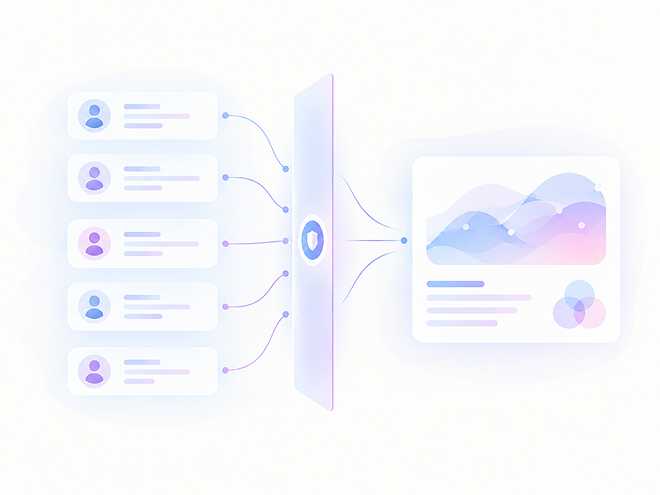
Organizational insight must respect the same information boundaries that apply throughout the professional ecosystem. Reporting should never become a shortcut to unrestricted visibility into an individual's psychological life.
Insight needs governance too.
Organizational insight must respect the same information boundaries that apply throughout the professional ecosystem. Reporting should never become a shortcut to unrestricted visibility into an individual's psychological life.
RESPONSIBLE AI
AI does not create a new right of access to psychological information.
AI can support understanding within defined purposes and permissions. It should not expand organizational visibility, replace professional accountability, or become an automatic authority over decisions about people.

Defined Purpose
AI should operate within clearly bounded purposes rather than process sensitive information without a meaningful reason.
Human Oversight
Professional interpretation, judgment, and accountability remain human-led.
Role-Aware Information
AI-generated information should remain subject to the access boundaries that apply to the underlying information.
Understandable Outputs
Relevant AI-supported information should be presented in ways that people and professionals can meaningfully interpret.
Accountability
AI involvement should not remove responsibility for how information is interpreted, shared, or used.
AI supports understanding. Human judgment guides decisions.
RESPONSIBLE DEPLOYMENT
Successful deployment begins with governance—not simply software activation.
Before Mind Journey is introduced into an organizational setting, the intended professional context, roles, permissions, information boundaries, consent requirements, and responsibilities need to be understood.

Understand the Context
Clarify the organization, professional setting, intended participants, and purpose of the deployment.
Define Governance
Identify the roles, responsibilities, permissions, and information boundaries the environment requires.
Prepare the Professional Context
Ensure the people involved understand how the platform fits within professional responsibilities and human judgment.
Prepare Participation
Make access, privacy expectations, and relevant consent requirements understandable before participation begins.
Review the Model
Evaluate whether the proposed deployment aligns with professional, privacy, governance, and organizational requirements.
The exact Mind Journey onboarding, configuration, support, and deployment model depends on product and organizational requirements.
ORGANIZATIONAL CONTEXTS
Different settings require different governance.
Psychological and developmental services do not operate within the same relationships, responsibilities, or privacy expectations in every organization. Mind Journey should be evaluated in the context in which it will actually be used.
.png)
Psychology Clinics
Explore how a governed digital environment can support professional psychological services while preserving appropriate professional and information boundaries.
.png)
Development Centers
Consider how developmental journeys, professional relationships, and information boundaries can be structured across an appropriate service context.
.png)
Healthcare & Wellbeing Organizations
Evaluate how professional services, organizational governance, and sensitive-information boundaries need to work together.

Educational Institutions
Psychological and developmental support in educational settings requires explicit privacy, consent, safeguarding, and role boundaries.
 1.png)
Other Organizational Contexts
If your organization operates in another professional or wellbeing context, we can evaluate whether Mind Journey's intended model is appropriate for your needs.
Explore how Mind Journey could fit your organization, professionals, and governance model.
A responsible organizational deployment starts by understanding the people, professional relationships, information boundaries, and governance requirements involved.
Build the professional ecosystem around trust—not unrestricted access.